




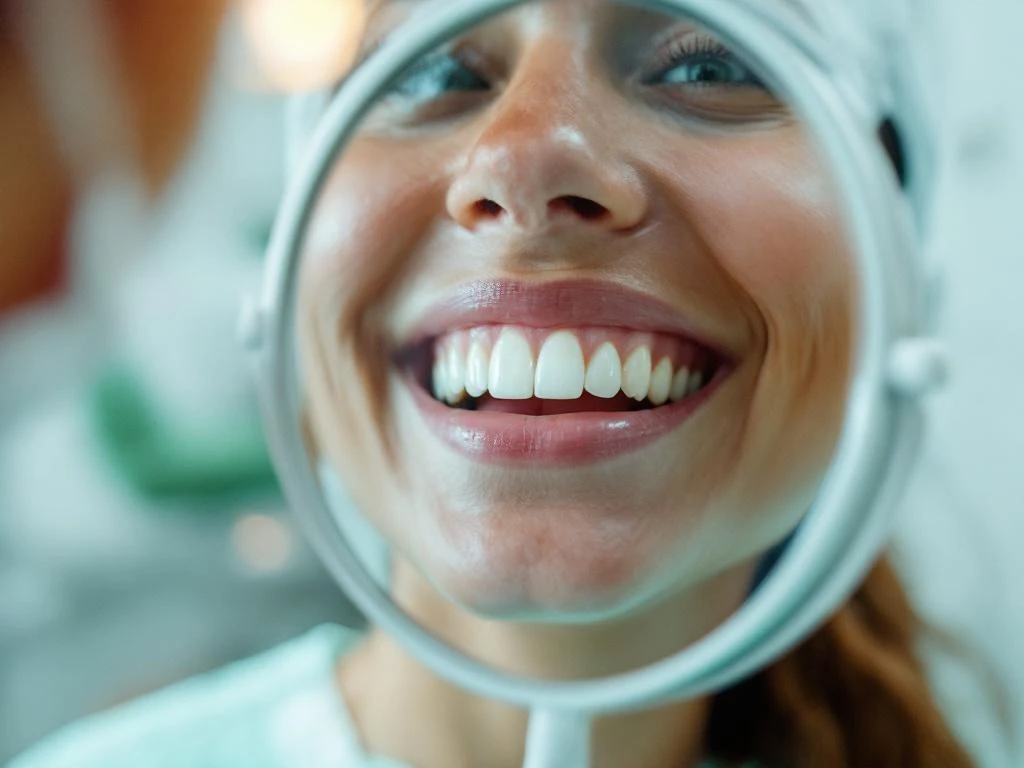
You may cut your teeth about once every three to six months professional bleaching at the dentist's office. For at-home bleaching, the frequency depends on the product: whitening strips usually once or twice a year, low concentration bleaching gels every few months. The safe frequency is determined by the concentration of hydrogen peroxide, your tooth sensitivity and the current color of your teeth. Teeth whitening is not harmful, provided you follow the recommended frequency and guidelines.
What determines how often you can whiten your teeth?
The frequency with which you can safely whiten your teeth depends on four key factors. The concentration of hydrogen peroxide in the bleaching product plays the biggest role: the higher the concentration, the longer you have to wait between treatments. Professional treatments often contain 15-35% hydrogen peroxide, while home products usually contain 3-10%.
Your individual tooth sensitivity also determines how much time your teeth need to recover. People with sensitive teeth or thin enamel need longer breaks between bleaching treatments. The current color of your teeth also plays a role: darker teeth often require more intense treatments, which means you can bleach less often.
The quality of your tooth enamel and your overall oral health are also determining factors. Damaged enamel or gum disease require caution and possibly longer intervals between treatments. However, teeth whitening per se is not harmful when done correctly and at proper intervals.
How often can you have professional teeth whitening?
Professional bleaching at the dentist may be safely undergone once to twice a year, with at least three months between treatments. This guideline applies to healthy teeth and gums without underlying problems. The dentist uses stronger bleaching gels that penetrate deeper into the tooth enamel. Professional teeth whitening is not harmful when done under the supervision of a qualified dentist.
Professional supervision is important because the dentist can assess your teeth and gums before each treatment. He or she can adjust the concentration to your specific situation and spot any problems early. When teeth whitening in Amsterdam, it is wise to choose an experienced practice that uses modern techniques.
After professional treatment, your teeth need time to recover. The enamel becomes temporarily more porous and sensitive, which is why a rest period of at least three months is necessary before you can whiten again.
What is the safe frequency for home bleaching?
Whitening strips you can usually use once to twice a year, depending on the strength. Always follow the instructions on the package and never exceed the recommended duration of use. Low concentration bleaching gels are suitable for use every three to four months. Home bleaching is not harmful as long as you carefully follow the instructions on the package.
Whitening toothbrushes and toothpastes you can use daily, but watch for signs of sensitivity. These products contain mild bleaching agents that work gradually. Bleaching pens are suitable for occasional use, about once a month, for touching up small spots.
When bleaching at home, it is extra important to observe your teeth closely. Always stop bleaching if you notice pain, extreme sensitivity or white spots. If so, consult a dentist before continuing bleaching treatments.
What signs indicate that you are bleaching too often?
Increased tooth sensitivity is the first warning sign that you are bleaching too often. If you feel pain from cold or hot drinks, or even from breathing in cold air, you have probably damaged your enamel from overuse. If so, stop bleaching immediately and give your teeth a rest. Remember: bleaching itself is not harmful, but bleaching too frequently without respecting the recommended rest periods can cause problems.
White spots on your teeth indicate enamel damage from excessive bleaching. These stains can be permanent if you don't stop in time. Gum irritation, such as redness, swelling or pain, indicates that the bleach is damaging your gums.
Transparent tooth tips are a sign of serious enamel damage. If your teeth look translucent at the edges, you have bleached too intensely. If so, consult a dentist immediately for professional advice and possible restorative treatments.
How do you keep bleached teeth white longer?
Good oral care is the basis for long-lasting white teeth. Brush twice a day with fluoride toothpaste and use toothpicks or floss daily. Avoid or limit discoloring beverages such as coffee, tea, red wine and cola, especially in the first 48 hours after whitening.
Drink discoloring liquids through a straw to minimize contact with your teeth. Rinse your mouth with water after eating or drinking to wash away acids and staining. Stop smoking, as nicotine and tar cause rapid re-coloring.
Schedule regular checkups and professional cleanings with your dentist. When in doubt about teeth whitening or the maintenance of your bleached teeth, you can come to us for personal advice. We will help you with a safe bleaching plan that suits your specific situation and needs.
Frequently Asked Questions
Can I use home products immediately after a professional bleaching treatment?
No, this is strongly discouraged. After professional treatment, your teeth are extra sensitive and the enamel is temporarily weakened. Wait at least 2-3 weeks before using home bleaching products, and consult your dentist first for advice.
What should I do if my teeth turn unevenly white after whitening?
Uneven results can occur due to various causes such as fillings, crowns or natural tooth color differences. Stop bleaching and consult your dentist. Sometimes adjustments to existing restorations are necessary or a custom bleaching strategy is required.
Is it safe to bleach during pregnancy or breastfeeding?
Dentists advise against bleaching during pregnancy and breastfeeding because of possible risks. Although there is no proven harm, it is better to be safe. Wait until after the breastfeeding period before starting bleaching treatments.
Can teens get their teeth whitened?
Professional bleaching is usually not recommended for teenagers under 16 years of age because their tooth enamel is not yet fully developed. For young people, good oral hygiene and avoiding discoloration-causing substances is the best approach.
How long does it take to see results from home bleaching products?
With whitening strips, you usually see initial results after 3-7 days, with optimal results after 2-3 weeks. Whitening gels work more slowly and show results after 2-4 weeks of regular use. Whitening toothpastes take several months for visible change.
What is the cost of professional bleaching versus at-home bleaching?
Professional bleaching usually costs between €200-600 per treatment, depending on the method and practice. Home products range from €10-100, but often require multiple courses of treatment. Long-term costs can be similar, but professional bleaching gives faster and longer-lasting results.