Teeth clenching and grinding (bruxism): causes, consequences and treatment
Bruxism, or teeth clenching and grinding, is a common unconscious habit in which you forcefully clamp your jaws together or slide them over each other. This can happen both during the day and at night and is often related to stress, anxiety or sleep disturbances. Many people do not know they are grinding their teeth, but the consequences can be significant.
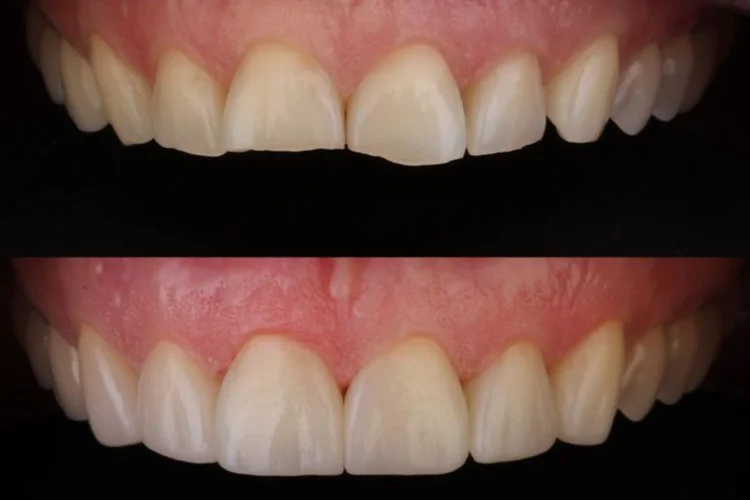
The most recognizable consequences are severe wear and tear of the teeth. Your teeth may shorten, crack or even break off. This can lead to exposed dental necks and sensitive teeth.
In addition, other symptoms may occur:
- Headaches, especially upon waking.
- Pain in the jaw muscles and neck.
- A cracking sound in the jaw joint.
- Fatigue due to disturbed sleep.
Treatment of wear and bruxism:
When your dentist diagnoses wear and tear on your teeth, he or she will create a treatment plan tailored to the severity of the situation.
- Knaw plate (occlusal splint): For mild to moderate wear, a custom-made, transparent bit that you wear at night is often recommended. This grind plate absorbs the forces of clenching or grinding, protecting your teeth from further wear.
- Fillings and crowns: If much of the tooth structure has already been lost, the dentist can restore the teeth with composite fillings, veneers or crowns. These restorations restore the form and function of the teeth and prevent further decay.
- Addressing the cause: Because bruxism is often related to psychological factors, it is important to address the underlying cause. A dentist can refer you to a oral physiotherapist for relaxation exercises or, if necessary, to a psychologist for guidance on stress or anxiety.
- If the jaw muscle feels very hard and large and other methods are not effective enough, a Botox treatment of the jaw muscle also reduces symptoms.

 English