




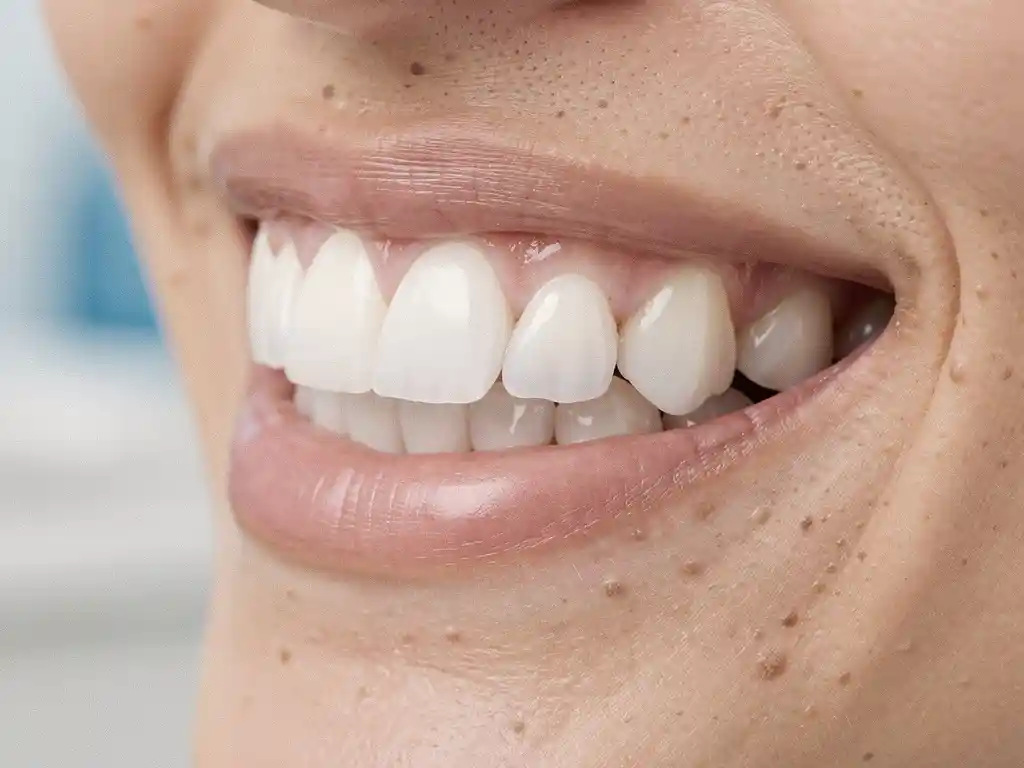
Dental veneers are made through a detailed process that involves preparing your teeth, taking digital impressions and manufacturing thin shields of ceramic or composite in a dental laboratory. The entire process usually takes two to three weeks and requires two to three appointments with your dentist. The veneers are then permanently bonded to your teeth with a special adhesive.
What exactly are veneers and why should you consider them?
Dental veneers are thin shields placed over your own teeth to improve their shape, color or position. They are made of ceramic or composite and are usually between 0.3 and 0.7 millimeters thick. Ceramic veneers offer the best aesthetics and last the longest, while composite veneers can be placed immediately.
People choose veneers in Amsterdam for a variety of reasons. Perhaps you have discoloration that does not respond to bleaching, small cracks, gaps between your teeth or teeth that are not aligned nicely. Veneers can also help if your teeth are too small or have an irregular shape.
The great advantage of veneers is that they are minimally invasive are. Very little of your own tooth structure needs to be removed. Some veneers don't even require grinding off anything at all. They instantly give you a beautiful, natural smile that lasts for years.
How does the first appointment for veneers go?
Your first appointment begins with a comprehensive intake, where the dentist discusses your needs and thoroughly examines your teeth. X-rays are taken, color photographs and often 3D digital models of your teeth. This gives a complete picture of your oral health and options.
The dentist verifies your suitability for veneers by looking at several factors. Your gums should be healthy, there should be no large cavities, and you should not clench or grind too much. If you do grind, it can be treated first with an upbite plate.
During this consultation, we will also discuss which type of veneer is best for you. Ceramic veneers are more durable and look more natural, but cost more time and money. Composite facings can often be placed on the same day, but do not last as long.
You will also receive a treatment plan with a clear explanation of all the steps, the cost and how long the process will take. If in doubt, you can always take some time to think before making your final choice.
What happens during the process of preparing your teeth for veneers?
Preparing your teeth is an important step, which involves removing a very thin layer of tooth enamel. This is usually done under local anesthesia, so you won't feel any pain. The dentist grinds off about 0.3 to 0.7 millimeters from the surface - that's less than the thickness of a fingernail.
After grinding, impressions are made of your teeth. Modern practices often use digital scanners that create a 3-D model of your teeth within minutes. This is more comfortable than traditional impression pastes and gives more accurate results.
When you have ceramic veneers made, you often get temporary veneers home with you. These protect your teeth and allow you to eat and drink as normal while your permanent veneers are being made. The temporary veneers are not as secure, so you should be careful with hard or sticky foods.
The entire preparation process usually takes one to two hours, depending on how many teeth are being treated. You can then simply go home and resume your normal activities.
How exactly are veneers made in the laboratory?
In the dental laboratory, the process begins with the digital scan of your teeth, which is converted into an accurate 3D model. A dental technician digitally designs your veneers, taking into account your face shape, tooth color and personal preferences. This digital design is used to fabricate the veneers.
For ceramic veneers, the design is sent to a milling machine, which mills the veneers from a block of ceramic. This material is strong, natural-looking and does not discolor. After milling, the veneers are baked in a special oven to make them extra hard and durable.
The dental technician gives each veneer a unique color and texture to match your other teeth. This is done manually with special dyes and techniques. The results are veneers that are indistinguishable from real teeth.
Modern laboratories use advanced 3D printers and milling machines to create veneers that fit perfectly. This ensures optimal quality and a short turnaround time of usually one to two weeks.
What can you expect during the placement of your veneers?
The placement of veneers is usually done without anesthesia because it is a painless procedure. The dentist first checks that each veneer fits perfectly and is the right color. You can watch in the mirror and discuss any adjustments before they are permanently attached.
Before final bonding, your teeth are thoroughly cleaned and the surface is lightly roughened with a special acid. This ensures that the special adhesive adheres well. The veneers are placed one at a time with a strong, tooth-colored adhesive that cures under a special light.
After placement, the dentist checks your bite and grinds small corrections where necessary. This is important because your veneers need to fit properly with your other teeth. The whole process usually takes two to three hours, depending on the number of facings.
You can eat and drink normally immediately after treatment. However, it is wise to be careful with very hard things like nuts or ice cubes for the first few days, so that you can get used to the feel of your new veneers.
How do you make sure your veneers stay beautiful for a long time?
Proper maintenance will ensure that your veneers remain beautiful for ten to fifteen years. Brush your teeth twice a day with a soft toothbrush and fluoride toothpaste. Use floss or brushes daily to clean between your teeth, especially near the edges of your veneers where bacteria can accumulate.
Avoid things that can damage your facings. Don't bite down on hard objects such as pens, ice cubes or your nails. Coffee, tea, red wine and cigarettes can cause discoloration, especially with composite facings. Ceramic veneers are less likely to discolor, but may stain the edges.
Come in regularly for checkups and professional cleanings. Your dentist and dental hygienist will check that your veneers are still secure and that your gums remain healthy. They can also do professional cleaning to remove stains you can't get rid of yourself.
If you grind or clench, wear a bite plate at night. This protects your veneers from excessive forces that can cause cracking or loosening. At Team Tandartsen, you will receive detailed instructions on how to maintain your facings and you can always ask questions about your oral care.
Frequently Asked Questions
How much do veneers cost on average and is it covered by insurance?
The cost of veneers ranges between €400-1200 per tooth, depending on the material and complexity. Ceramic veneers are more expensive than composite veneers. Unfortunately, veneers are usually not covered by basic insurance because they are considered cosmetic treatment unless there is a medical necessity.
Can I have veneers placed if I have had braces or still have orthodontic problems?
It is important that your teeth are in the correct position before veneers are placed. If you have recently had braces, wait at least 6 months for your teeth to stabilize. Severe orthodontic problems may require braces first before veneers become an option.
What happens if a facing breaks or comes off?
A broken or loose facing should be treated by your dentist as soon as possible. Keep the piece of facing in water or saliva and make an appointment right away. Often the veneer can be repaired or reattached. Without a veneer, your tooth is more sensitive and vulnerable to damage.
Can veneers be bleached if they are discolored after years?
Veneers themselves cannot be bleached like natural teeth. Ceramic veneers retain their color well, but composite veneers can discolor after years. If discoloration does occur, however, veneers can be professionally polished or must be replaced for uniform results.
How does it feel to have veneers and do you notice any difference from your own teeth?
The first few days, veneers may feel a little strange because they are slightly thicker than your original teeth. You quickly get used to this. Well-made veneers feel natural and you usually don't notice any difference after a week. They can make your teeth feel a little smoother, though.
Is it normal for my gums to be irritated after having veneers placed?
Slight gum irritation is normal for the first few days after placement, as your gums need to get used to the new shape. Brush gently and rinse with lukewarm water. If the irritation does not subside or gets worse after a week, contact your dentist for a checkup.
Can I still get root canal treatments on teeth with veneers?
Yes, root canal treatments are possible on teeth with veneers, but this is more complex. The dentist often has to work through the back of the tooth to preserve the veneer, or temporarily remove the veneer. This requires extra care not to damage the veneer during treatment.