




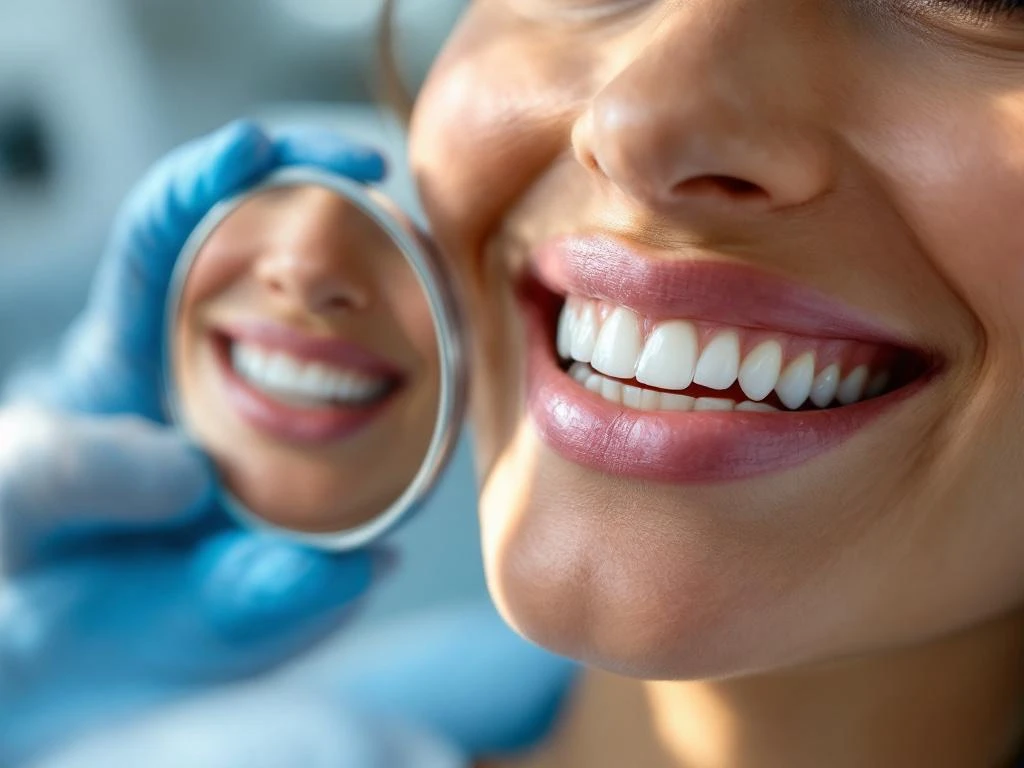
Bleaching your teeth at the dentist costs on average between €300 and €800, depending on the method chosen and the number of treatments required. Professional bleaching provides safe and longer-lasting results than home bleaching kits. The exact price depends on factors such as the degree of discoloration, the treatment method and your location.
What does it cost to have your teeth whitened at the dentist?
The cost for teeth whitening Amsterdam range between €300 and €800 per treatment. An in-office bleaching treatment, where your teeth are bleached directly in the office, usually costs €400 to €600. At-home bleaching with custom-made trays from the dentist is between €300 and €500.
The price differences arise from the different treatment methods. In-office bleaching uses stronger bleaching gels under professional supervision, which gives faster results but is also more expensive. At-home bleaching with dental trays takes longer but costs less. Some patients choose a combination of both methods for optimal results.
The number of sessions required also affects the overall cost. Light discoloration often requires one treatment, while stubborn stains may require two to three sessions. Your dentist can estimate how many treatments you will need during a consultation.
Why is professional bleaching more expensive than home bleaching kits?
Professional bleaching costs more because dentists use stronger and more effective bleaching gels applied under medical supervision. Teeth whitening is not harmful to your teeth, especially when performed by a professional dentist. In addition, you get a completely customized treatment that is tailored to your specific situation and needs.
Commercial home bleaching kits contain much lower concentrations of hydrogen peroxide or carbamide peroxide. This makes them suitable for home use, but also makes them less effective. Dentists can use concentrations up to 35%, while home products usually stay below 10%.
The main difference is in the guidance. A dentist first checks that your teeth and gums are suitable for bleaching. Also, your teeth and gums are protected during the treatment. With at-home products, you run the risk of uneven results without professional guidance.
What factors determine the price of a bleaching treatment?
The degree of discoloration largely determines the cost of your bleaching treatment. Superficial stains from coffee or tea are easier to treat than deep discoloration from drugs or genetic factors. Stubborn stains require more sessions and more intensive treatments.
Your choice between different treatment methods greatly affects the price. In-office bleaching gives quick results in one to two sessions, but costs more. At-home bleaching with dental trays is cheaper, but takes several weeks. Combination treatments produce the best results but are the most expensive.
The location of the dental practice also plays a role in pricing. Practices in large cities such as Amsterdam tend to have higher rates due to more expensive rent and higher operating costs. The dentist's experience and specialization can also influence the price.
How long do the results of professional bleaching last?
Professionally bleached teeth usually retain their whiteness for 1 to 3 years, depending on your lifestyle habits and aftercare. People who drink a lot of coffee, tea or red wine see discoloration return more quickly. Smokers also have shorter results due to nicotine stains.
You can prolong results through good oral hygiene and conscious choices. Brush your teeth within an hour of consuming colorful beverages. Use a straw with coffee or soft drinks to limit direct contact with your teeth. Regular professional cleanings also help maintain whiteness.
When your teeth are slowly discoloring, a touch-up treatment is often sufficient. This usually costs half as much as the original treatment because your teeth have been whitened before. Many dentists offer special maintenance packages for patients who want regular touch-up bleaching.
Does health insurance cover teeth whitening?
Health insurance reimburses tooth whitening not, because it is considered a cosmetic treatment. Basic insurance only covers medically necessary dental care. Additional insurance policies also usually exclude aesthetic treatments such as bleaching from reimbursement.
There are rare exceptions where bleaching is reimbursed. This happens only in cases of severe discoloration caused by medication or trauma that causes significant psychological problems. You then need a medical indication from your dentist and often a psychologist.
Some supplemental insurance policies do offer discounts on cosmetic dentistry through partner practices. Check your policy terms or ask your insurer about possible discount plans. You may also be able to deduct the cost as a healthcare expense on your tax return if it exceeds the threshold.
What are the alternatives if bleaching is too expensive?
As a professional teeth whitening Amsterdam out of your budget, you can opt for a phased approach. Many dentists offer payment plans, allowing you to spread the cost over several months. You can also start with cheaper at-home bleaching and upgrade to professional treatment later.
Prevention is the cheapest option for maintaining white teeth. Stop smoking, limit coloring beverages and brush your teeth regularly. A professional dental cleaning at the dental hygienist removes superficial stains and costs much less than whitening.
For those on a limited budget, other cosmetic solutions are available. Composite facings can mask discoloration and often cost less than extensive bleaching. Whitening toothpastes and mouthwashes also help with mild discoloration, although results are limited.
At our company, we understand that a beautiful smile is important, but not always within your budget. That's why we always discuss different options and possibilities to realize your wishes within your financial means. A beautiful smile does not have to be unattainable.
Frequently Asked Questions
How do I prepare for a professional bleaching treatment?
Begin avoiding coloring beverages such as coffee and red wine 2 weeks before your treatment. Have your teeth professionally cleaned at your dental hygienist, as plaque and tartar can hinder bleaching results. Mention any sensitivity to your dentist so that appropriate measures can be taken.
What can I do if my teeth become sensitive after bleaching?
Tooth sensitivity after bleaching is normal and usually disappears within 24-48 hours. Use a sensitivity toothpaste with fluoride and avoid extremely hot or cold beverages. If symptoms persist, you can take painkillers or contact your dentist for appropriate aftercare.
Can all teeth be whitened equally?
Not all teeth respond the same to bleaching. Natural teeth whiten well, but crowns, fillings and veneers retain their original color. Gray discoloration from medication is more difficult to bleach than yellow discoloration from food. Your dentist can estimate in advance what results are realistic.
When will I see the first results of a bleaching treatment?
With in-office bleaching, you see results immediately after treatment, although the final color is not visible for 24-48 hours. At-home bleaching with dental trays shows initial improvement after 3-5 days. The final result is usually fully visible after 2-3 weeks, depending on the method used.
Can I eat and drink normally again immediately after bleaching?
For the first 24-48 hours after bleaching, your teeth are extra sensitive to dyes. Avoid coffee, tea, red wine, curry and other coloring foods. Preferably eat white or light foods such as rice, chicken, fish and dairy. After this period, you can gradually return to your normal diet.
What is the difference between hydrogen peroxide and carbamide peroxide in bleaching?
Hydrogen peroxide works faster and is used in in-office treatments for immediate results. Carbamide peroxide breaks down slowly into hydrogen peroxide and is used for home bleaching because it is milder and causes less sensitivity. Both substances are equally effective, but have different uses.
How do I best maintain my bleached teeth?
Brush twice daily with fluoride-containing toothpaste and use a whitening mouthwash. Drink coloring beverages through a straw and rinse your mouth after consumption. Schedule a professional cleaning every 6 months and consider annual minor touch-ups to maintain whiteness.